
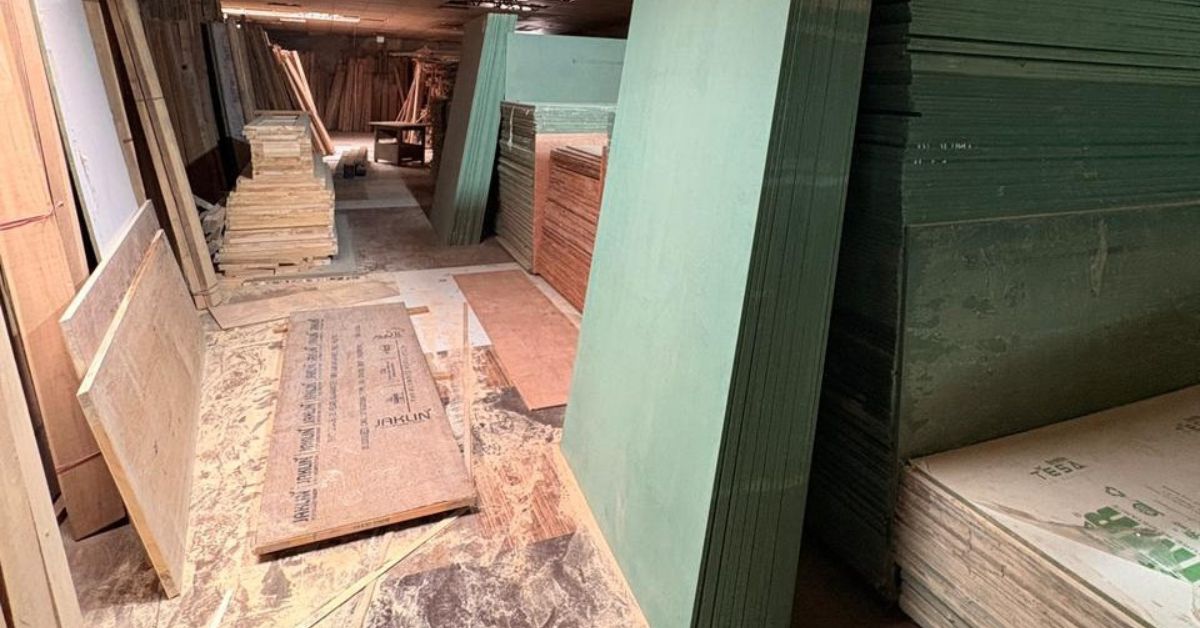
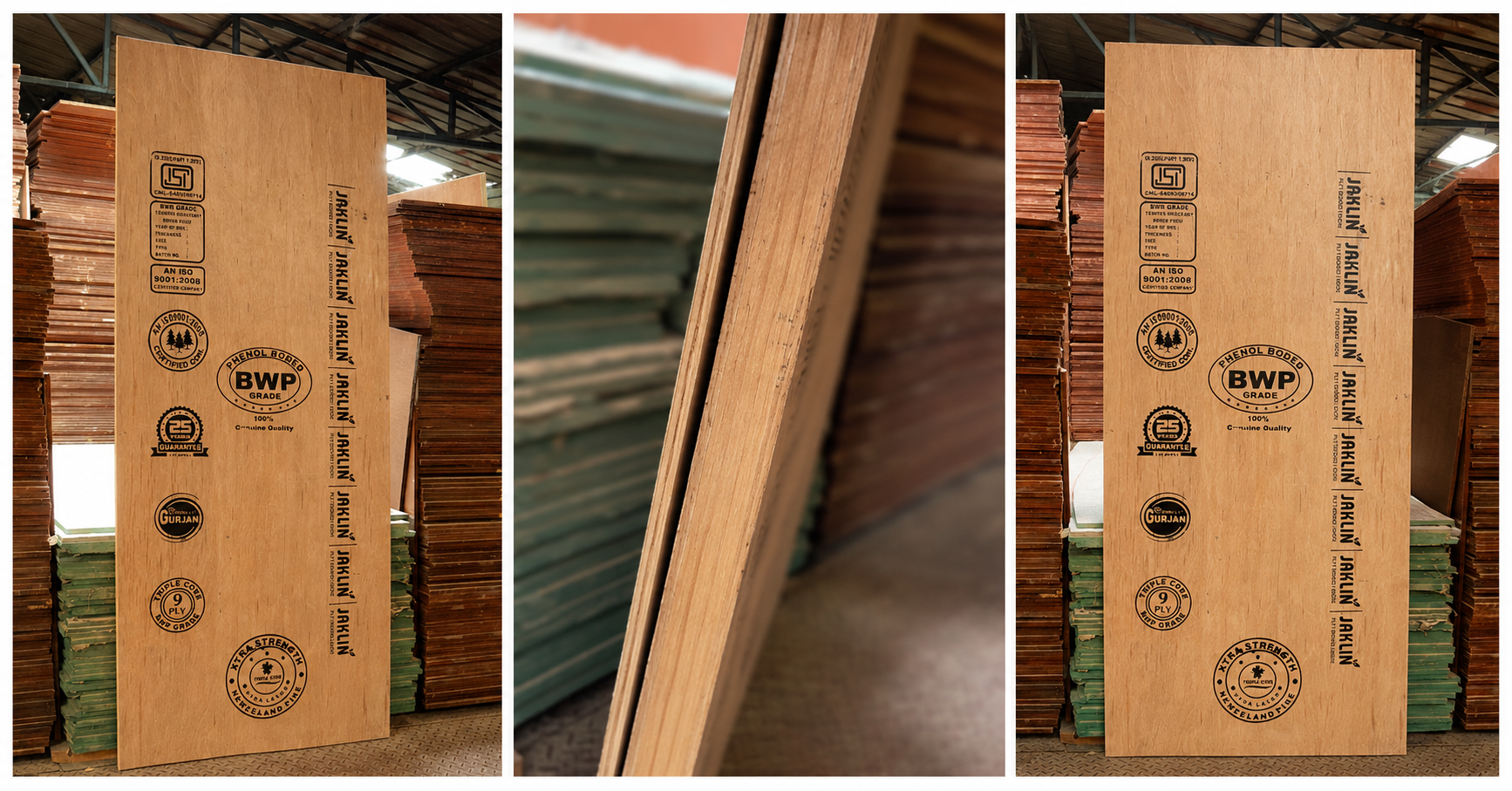
When choosing materials for furniture or interior projects, HDHMR and plywood are two of the most popular options. Both are widely used for modular kitchens, wardrobes, TV units, office furniture, and cabinets. However, they differ in composition, strength, moisture resistance, durability, and cost.
If you’re wondering which is better—HDHMR or plywood? The answer depends on your project requirements. This guide compares both materials in detail to help you make an informed decision.
Table of Contents
- Comparative Summary Chart
- What is HDHMR?
- Advantages of HDHMR
- Best Uses of HDHMR
- What is Plywood?
- Types of Plywood
- Advantages of Plywood
- Best Uses of Plywood
- Major Differences Between HDHMR and Plywood
- Which Material is Best for Modular Furniture?
- Conclusion
- Frequently Asked Questions
Comparative Summary Chart
Before going into detailed explanations, it’s helpful to quickly understand how HDHMR and plywood compare on key factors. This gives you a clear overview of which material performs better in different situations.
| Feature | HDHMR | Plywood |
| Composition | Wood fibers + resin | Layers of wood veneers |
| Strength | Dense but rigid | Strong and flexible |
| Moisture Resistance | High | Depends on grade |
| Finish | Smooth and uniform | May need finishing |
| Workability | Slightly difficult | Easy |
| Cost | Mid-range | Low to high |
 What is HDHMR?
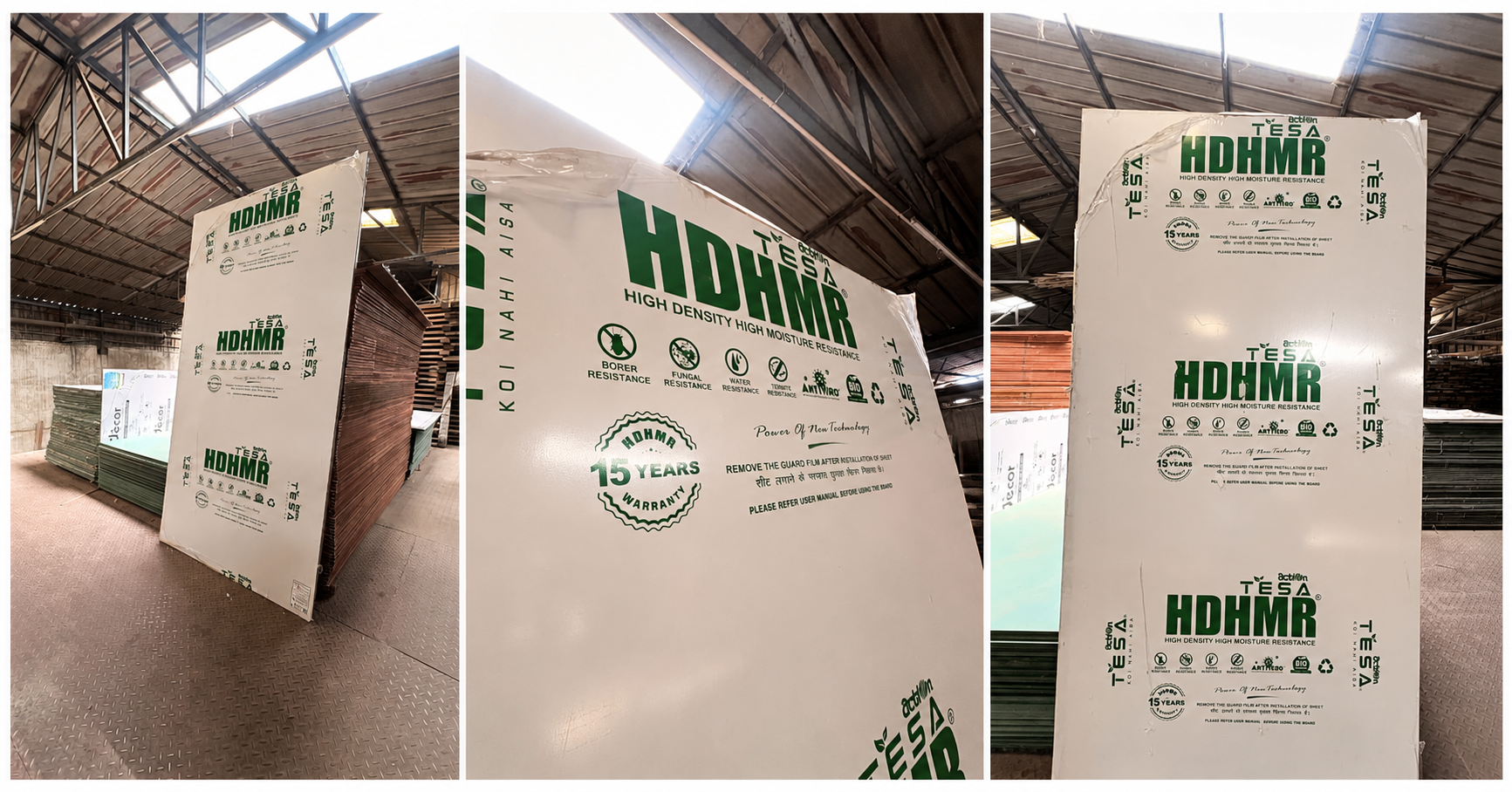
HDHMR (High-Density High Moisture Resistant) board is an engineered wood product manufactured using high-density wood fibers, resin, and special additives. These materials are compressed under high pressure and temperature to produce a dense, durable, and moisture-resistant board.
Its smooth surface makes it ideal for acrylic laminates, PU paint, veneers, and decorative finishes.
Advantages of HDHMR
- High moisture resistance
- Smooth and uniform surface
- Strong screw-holding capacity
- Suitable for CNC cutting and routing
- Low chances of warping
- Easy to laminate and paint
- Good dimensional stability
Best Uses of HDHMR
- Modular kitchens
- Wardrobes
- TV units
- Bathroom cabinets
- Office furniture
- Display units
- Decorative wall panels
What is Plywood?
Plywood is an engineered wood panel made by bonding multiple layers of natural wood veneers. The grains of adjacent layers are placed perpendicular to each other, providing excellent strength and stability.
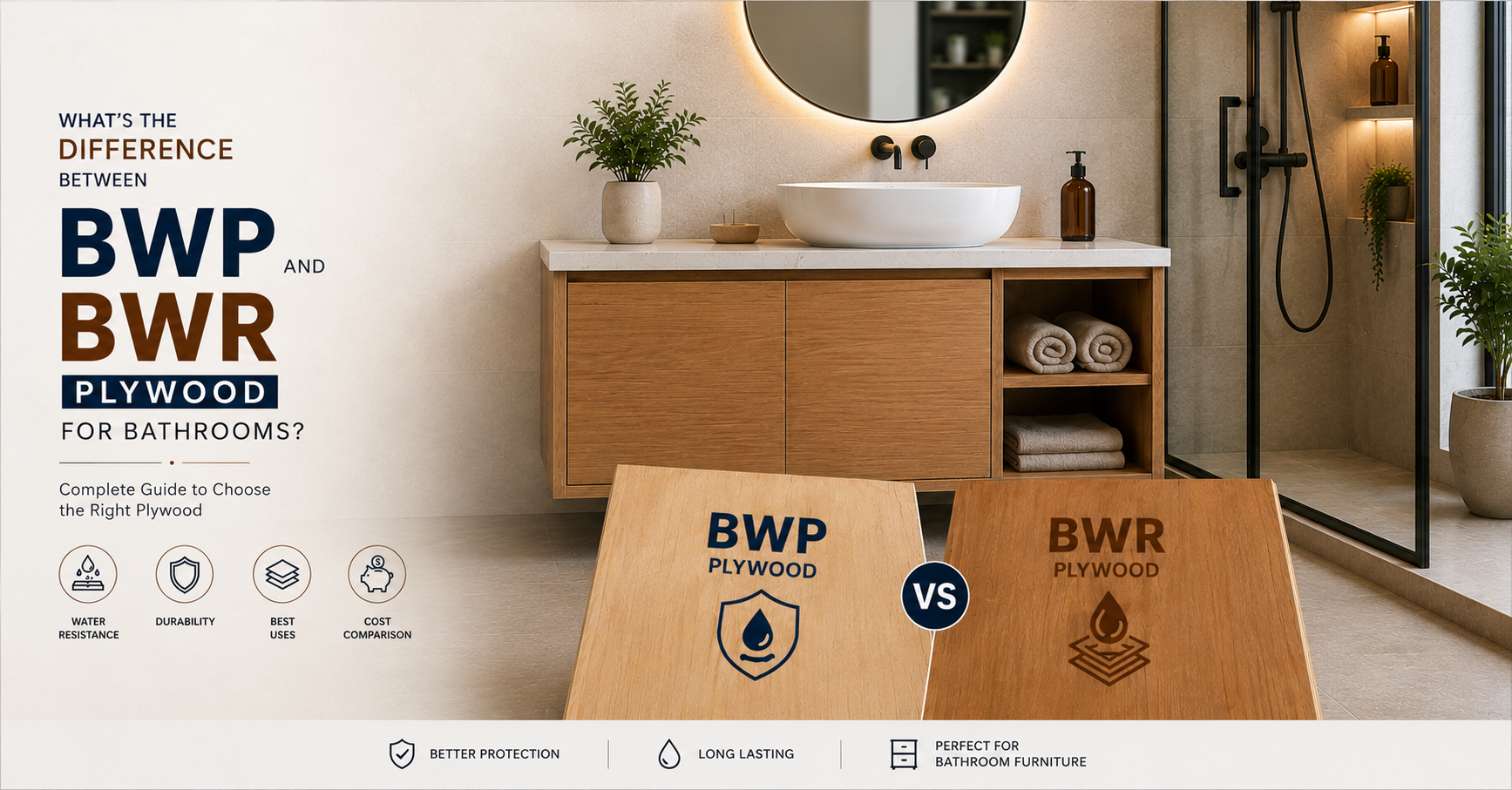
Different grades of plywood are designed for different applications, including MR (Moisture Resistant), BWR (Boiling Water Resistant), and BWP (Boiling Waterproof).
At Gupta Timber Company, we supply premium plywood boards suitable for residential and commercial projects.
Types of Plywood
There are various types of plywood materials, each used for a specific purpose. You should consider the application of the material to determine the best type for your furniture needs.
Some commonly used types include:
- MR (Moisture Resistant) → Indoor furniture
- BWR (Boiling Water Resistant) → Kitchen furniture
- BWP (Boiling Water Proof/Marine) → Moist environment
- Fire-retardant plywood → Safety environment
Each type offers a different level of performance, especially in terms of water resistance and durability.
Advantages of Plywood
- High load-bearing capacity
- Excellent durability
- Good impact resistance
- Long service life
- Available in various grades
- Suitable for structural and decorative applications
- Can be finished with laminates, veneers, or paints
Best Uses of Plywood
- Beds
- Sofas
- Doors
- Flooring
- Shelves
- Tables
- Cabinets
- Wall paneling
Major Differences between HDHMR and Plywood
The key difference between HDHMR and plywood is that these materials behave differently under certain conditions.
While HDHMR material is more resistant to humidity levels and moisture, plywood has better strength and flexible properties.
Key differences:
- HDHMR -> Good performance in wet environment and smooth surface
- Plywood -> More suitable for use in strength-related applications
- HDHMR -> Excellent finishing qualities
- Plywood -> Better manipulative qualities
These differences should be considered while choosing proper material for each piece of your furniture.
Which Material is Best for Modular Furniture?
Modular furniture can be made using either HDHMR or plywood depending on the purpose of manufacture.
While HDHMR should be considered for external surfaces like shutters and panels due to its smooth surface, plywood should be used for internal structures due to its high strength.
Best practice in modular furniture:
- Use HDHMR for exterior surfaces and shutters
- Use plywood for internal structure
Decorative finishes can be enhanced using our Decorative Panels and Decorative Sheets to achieve a modern and premium interior look.
This combination ensures both durability and a premium finish.
Conclusion
Ultimately, choosing between HDHMR and plywood depends on your project, where it will be used, and your specific requirements. If your project requires a dense, smooth, and moisture-resistant material, HDHMR is a good option. On the other hand, if strength, flexibility, and long-term durability are your priorities, plywood remains a reliable choice.
When selecting the right material for your project, consider:
- Project requirements (moisture exposure, load-bearing capacity, and application)
- Budget
- Desired finish and appearance
- Expected lifespan
By matching your needs with the right material, you can make an informed decision that delivers both performance and value. Whether you’re comparing HDHMR and plywood for residential or commercial interiors, choosing the right board is essential for long-lasting results. For expert guidance and personalized recommendations, visit our Contact Us page.
Frequently Asked Questions
1. Which material is suitable for kitchen use?
HDHMR is more suitable for use in kitchens because of its ability to resist moisture.
2. Which one is stronger?
Plywood is more strong in terms of weight bearing capability
3. Can HDHMR replace plywood?
Yes in some cases but not in others particularly for heavy furniture.
4. Which is easier to work with?
Plywood is easier to handle compared to HDHMR.
5. Should I use both materials together?
Yes, combining both is often the most practical and effective solutio