October 16, 2026
No Comments
Veneer Plywood for Home Interiors: A Complete Guide to Types, Benefits & Uses
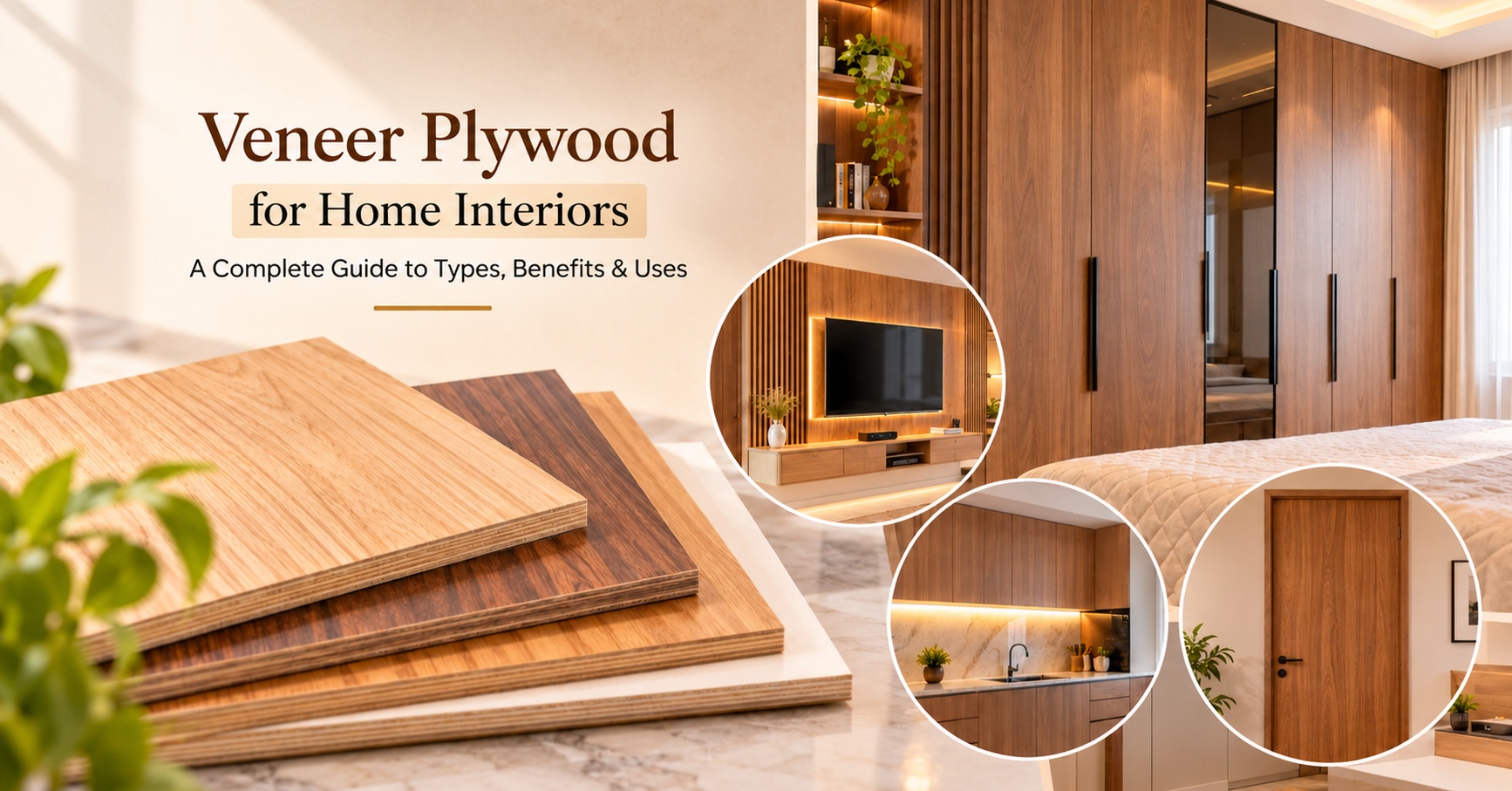
Veneer plywood is a popular choice for modern home interiors because it combines the natural beauty of wood with the versatility of plywood. From stylish wardrobes and TV units to wall panelling, cabinets, and furniture, veneer plywood can add warmth and elegance to different spaces. If you are planning to renovate your home or design a new interior, understanding veneer plywood, its types, benefits, and uses can help you make an informed decision. In this guide, we will explain how veneer plywood works, how it compares with laminate, and what to consider when choosing the right option for your project.
Table of Contents
- What Is Veneer Plywood?
- Types of Veneer Plywood for Home Interiors
- Key Benefits of Veneer Plywood
- Veneer Plywood Uses in Different Areas of Your Home
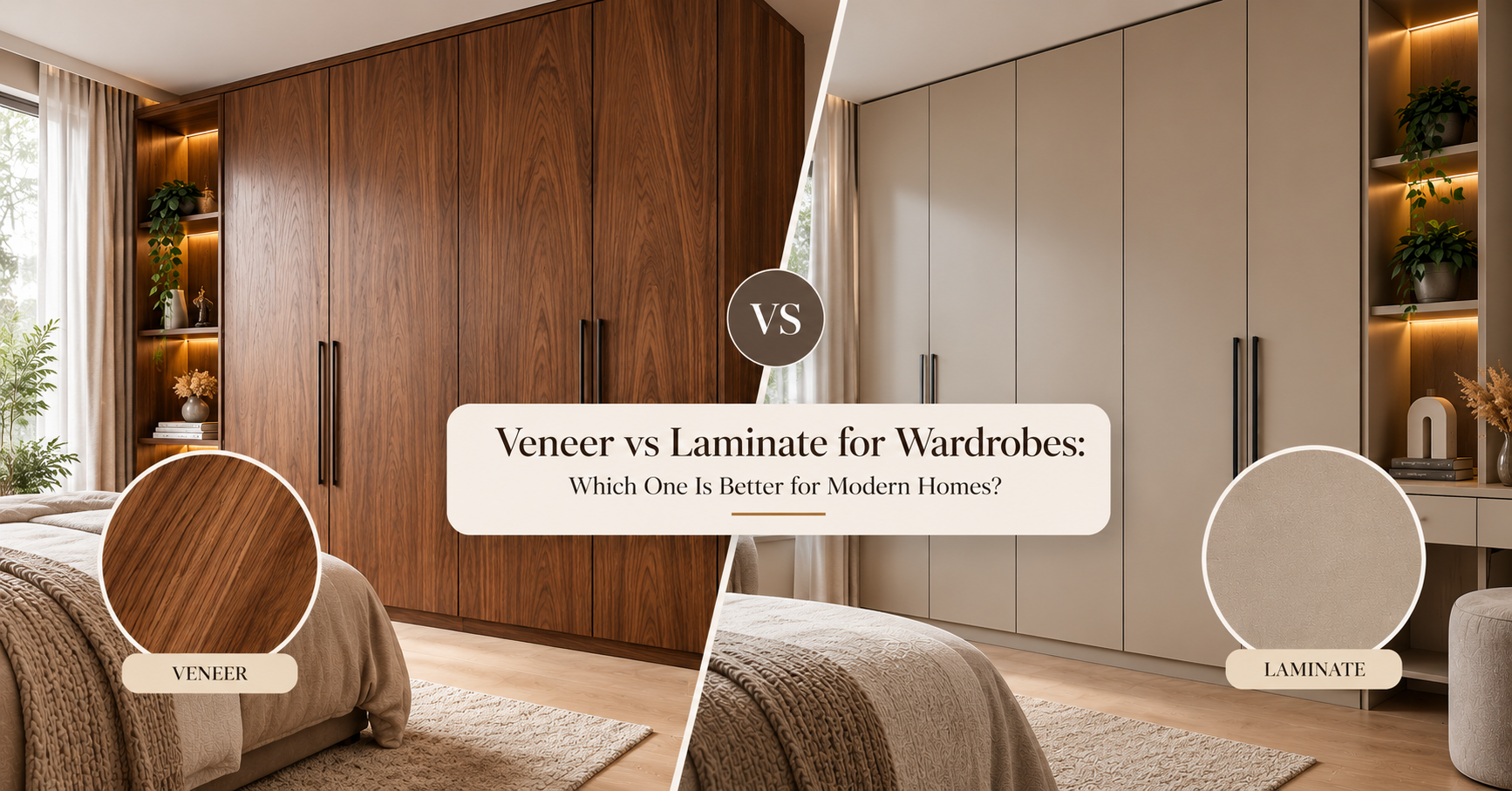
- Veneer vs Laminate: What Is the Difference?
- How to Choose the Right Veneer Plywood
- Where to Buy Veneer Plywood in Faridabad?
- Frequently Asked Questions About Veneer Plywood
- Conclusion
What Is Veneer Plywood?
Veneer plywood is a panel made by applying a thin layer of natural or decorative wood veneer to a plywood base. The veneer provides the visible surface, while the plywood base provides structural support. Natural wood veneer is produced by slicing or peeling wood into thin sheets. These sheets are then bonded to a suitable substrate, such as plywood, to create a finished panel with the appearance of real wood. Unlike printed wood-look surfaces, natural wood veneer has its own grain patterns and textures. This makes each panel visually distinctive. The final appearance and performance depend on the veneer species, plywood grade, adhesive, surface finish, and quality of installation. Veneer plywood is commonly used in furniture, wardrobes, wall panels, cabinets, and other interior applications where a natural wood finish is preferred.
Types of Veneer Plywood for Home Interiors
Different veneer options are available to suit a variety of interior styles, colour schemes, and budgets. The right choice depends on the appearance you want and the application in which the panel will be used.
Natural Wood Veneer
Natural wood veneer is made from real wood and retains its characteristic grain patterns. It is available in different wood species, shades, and textures, making it suitable for both traditional and contemporary interiors. It works well for wardrobes, furniture, cabinet shutters, wall panelling, and decorative interior features. Since natural wood patterns vary, two veneer sheets may not look exactly alike.
Light-Coloured Veneer
Light-coloured veneers are suitable for interiors where a bright, spacious, and minimal appearance is preferred. They can complement white walls, neutral furniture, soft lighting, and modern interior designs. These veneers are often used for wardrobes, study tables, bedroom furniture, and living room cabinets.
Dark-Coloured Veneer
Dark-coloured veneers can create a rich and sophisticated look. Their deeper shades work well in statement furniture, TV units, office interiors, and selected wall panels. They can be paired with lighter walls, metallic accents, and suitable lighting to create contrast. However, the overall effect will also depend on the room’s size and natural light.
Decorative Veneer
Decorative veneer refers to veneer selected or arranged to achieve a particular visual effect. Depending on the product, this may include distinctive grain patterns, carefully matched sheets, or specialised finishes. It is suitable for feature walls, premium furniture, reception areas, and other spaces where the surface appearance is an important design element.
Key Benefits of Veneer Plywood
Veneer plywood offers several design advantages when the correct material, finish, and installation method are selected.
Natural Wood Appearance
One of the main advantages of veneer plywood is its natural wood appearance. The visible veneer layer displays real wood grain, adding texture and character to interior surfaces. It is a suitable option for homeowners who prefer the warmth of wood over a printed wood-effect finish.
Stylish and Premium Finish
Veneer plywood can create an elegant finish for wardrobes, cabinets, furniture, and wall panelling. Different grain patterns and shades make it possible to coordinate the surface with a home’s overall interior design. The final look depends on the veneer quality and the selected polish or protective coating.
Suitable for Multiple Applications
Veneer plywood can be used for a range of interior applications, including furniture, cabinet shutters, decorative panels, wardrobes, and selected door applications. The plywood grade and panel construction should be chosen according to the intended use rather than selecting a product based on appearance alone.
Different Colours and Grain Patterns
Veneer is available in a variety of natural shades, grain patterns, and textures. This allows designers and homeowners to choose finishes that complement modern, traditional, minimalist, or luxury interiors.
Can Be Refinished in Some Cases
Depending on the veneer thickness and existing finish, certain veneer surfaces may be suitable for refinishing or polishing. However, refinishing possibilities are limited by the thickness of the veneer and the condition of the panel. Always check the product specifications before sanding or refinishing a veneer surface.
Complements Different Interior Materials
Veneer plywood can be combined with materials such as glass, metal, laminates, and decorative wall panels. These combinations can help create coordinated interiors while adding contrast between different surfaces.
Veneer Plywood Uses in Different Areas of Your Home
Veneer plywood can be used in several parts of a home where a natural wood finish is desired. The most suitable application depends on the product’s construction, moisture exposure, and maintenance requirements.
Veneer Plywood for Wardrobes
Veneer plywood is a suitable option for wardrobe shutters and selected wardrobe components. Its natural grain can give bedrooms a warm and coordinated appearance. Choose a suitable plywood base, and ensure that the veneer is properly sealed and finished. In areas exposed to humidity, ventilation and appropriate material selection are particularly important.
Veneer Plywood for TV Units
TV units are often used as focal points in living rooms. Veneer plywood can be used for cabinet fronts, shelves, and decorative sections to create a natural wood look. You can pair it with neutral wall colours, lighting, and other decorative materials to create a balanced design.
Veneer Plywood for Kitchen Cabinets
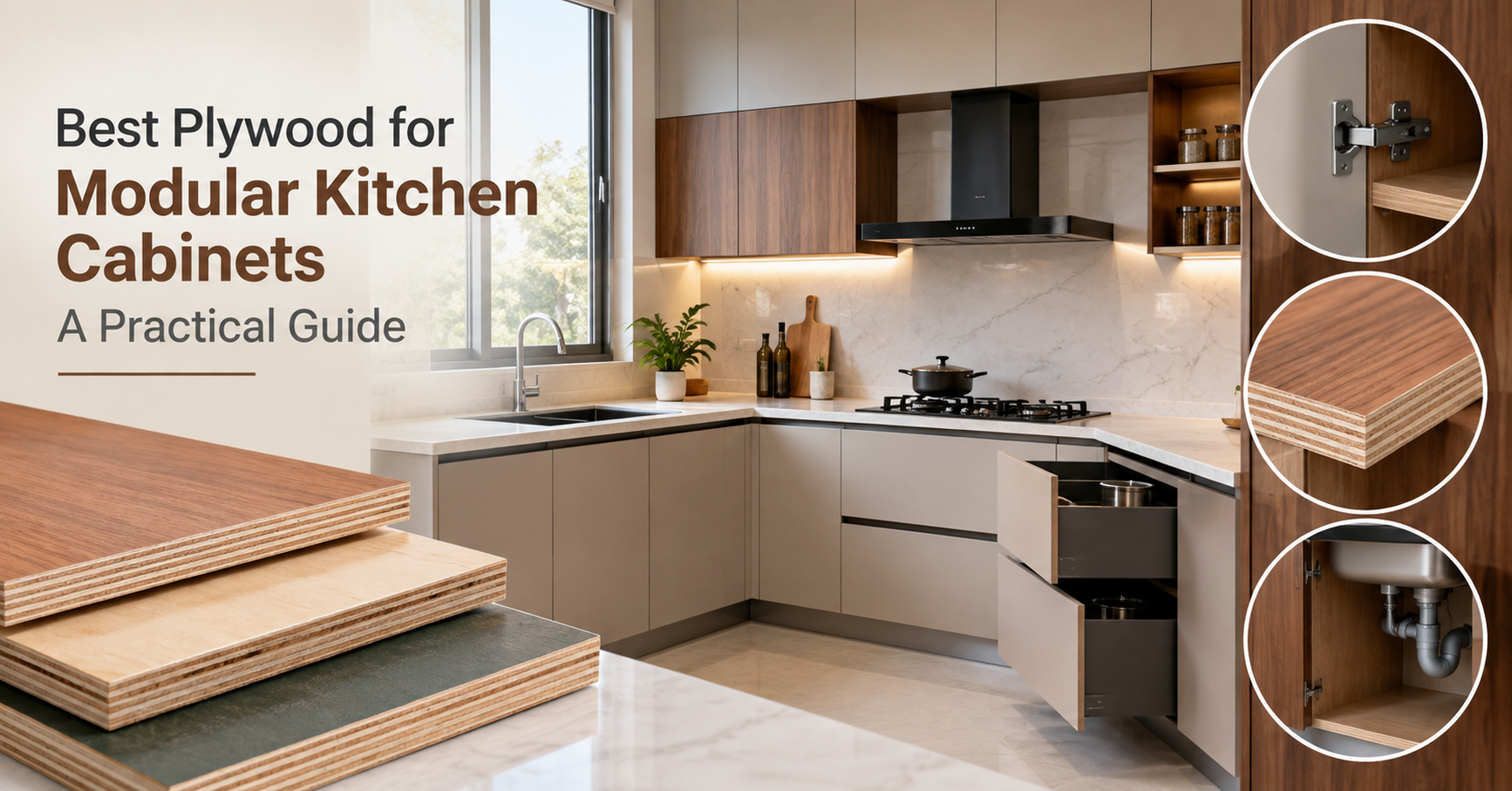
Veneer plywood may be considered for selected kitchen cabinet fronts and interior applications. However, kitchens are exposed to moisture, heat, spills, and frequent cleaning. For this reason, use a suitable substrate and a durable protective finish. Areas near sinks, dishwashers, and cooking appliances require particular attention, and veneer plywood should not be assumed to be waterproof.
Veneer Plywood for Wall Panelling
Veneer plywood can add texture and visual warmth to interior walls. It can be used behind beds, around TV units, or on selected living room walls. For a more layered interior design, it can be combined with suitable decorative wall panels. Make sure the wall surface, fixing method, and panel installation are appropriate for the location.
Veneer Plywood for Furniture
Veneer plywood is commonly considered for tables, cabinets, shelves, storage units, and other furniture components. The appropriate thickness and plywood grade depend on the furniture’s design, load requirements, and intended use. Proper edge finishing and surface protection can also improve the overall appearance.
Veneer Plywood for Doors
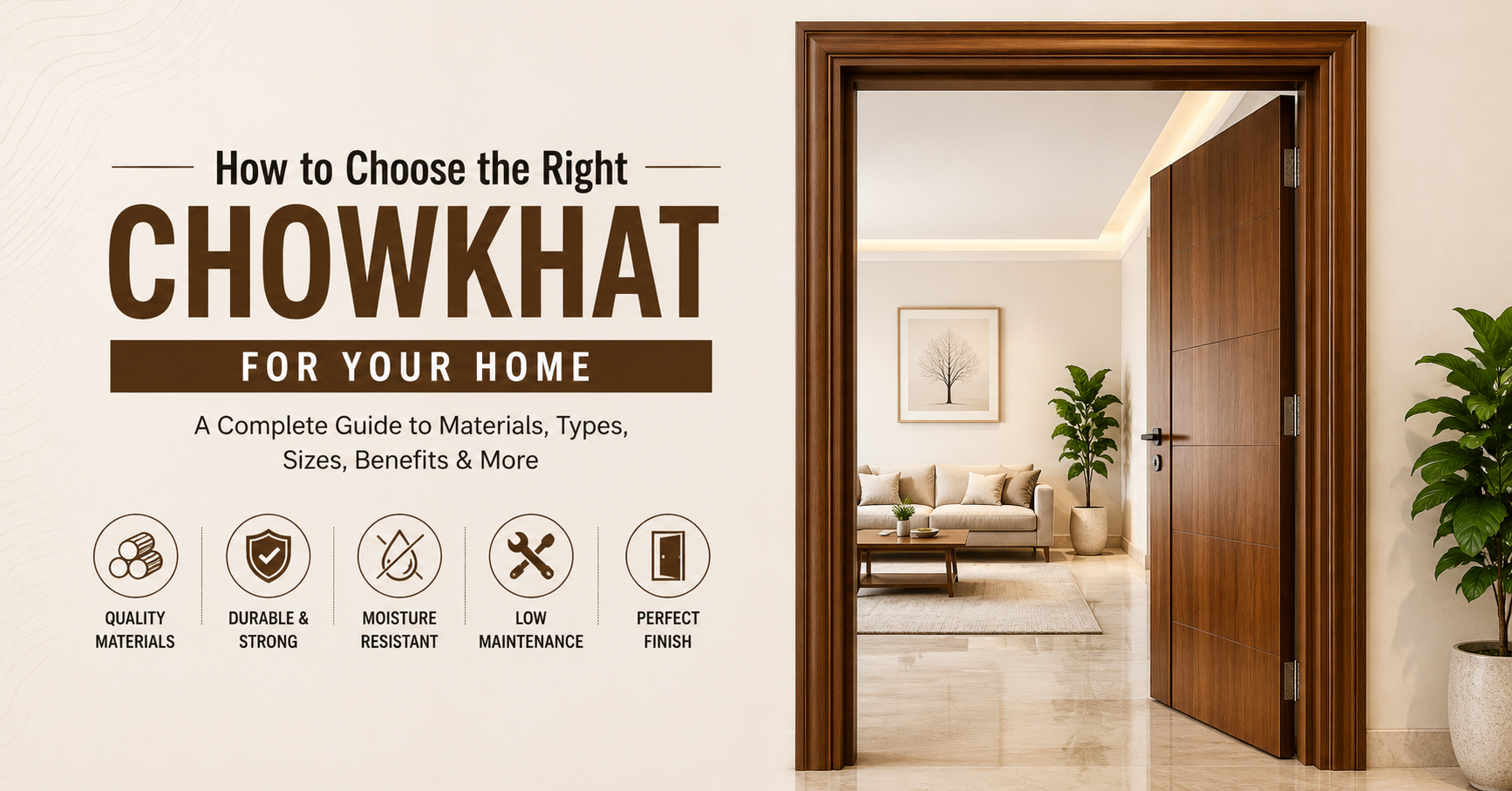
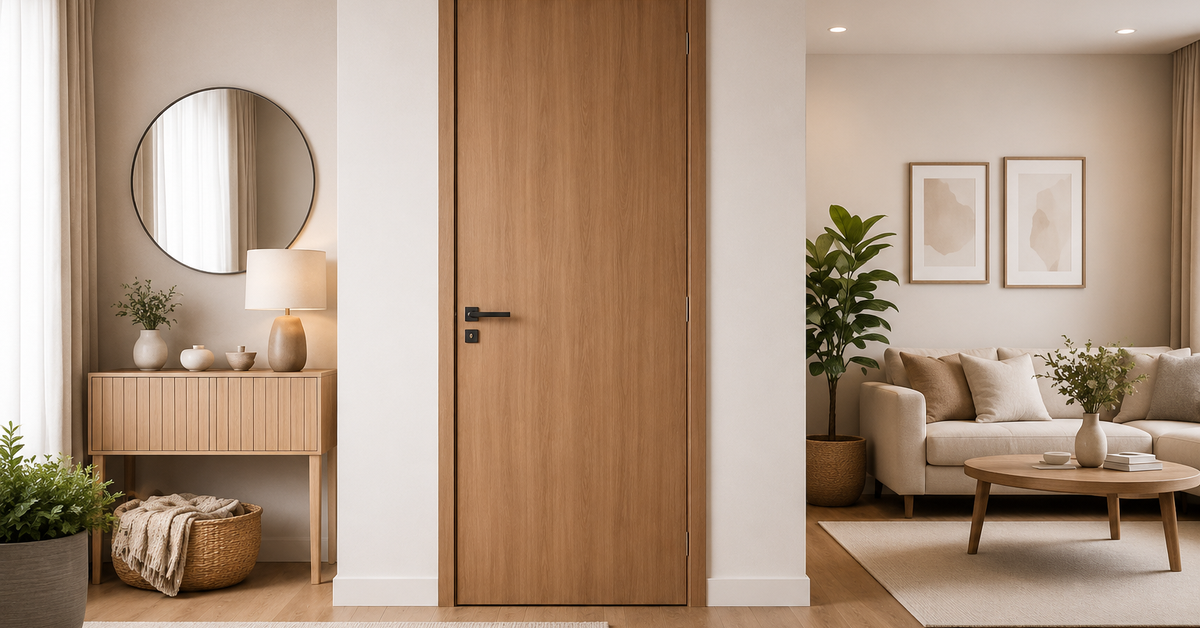
Veneer can be used as a decorative surface on suitable door constructions. It offers a natural wood appearance that can complement furniture, flooring, and other interior finishes. The door’s core, construction, thickness, and installation requirements should be evaluated separately from the veneer finish. Explore the available doors for different interior requirements.
Veneer vs Laminate: What Is the Difference?
Veneer and laminate are both used to finish furniture, cabinets, wardrobes, and other interior surfaces. However, they differ in their composition, appearance, maintenance, and available designs.
| Feature | Veneer | Laminate |
|---|---|---|
| Material | Thin layer of real wood when natural veneer is used | Manufactured decorative surface |
| Appearance | Natural wood grain with individual variations | Consistent colours, patterns, and wood-look designs |
| Design options | Depends on the wood species and veneer cut | Available in many colours, textures, and patterns |
| Maintenance | Usually requires suitable sealing and care | Generally easy to clean according to manufacturer instructions |
| Repair and refinishing | May be possible, depending on veneer thickness and finish | Usually more limited; damaged surfaces may need replacement |
| Cost | Varies with wood species, veneer quality, and finish | Varies with laminate type, design, and quality |
| Common uses | Premium furniture, wall panelling, wardrobes, and cabinets | Wardrobes, kitchen cabinets, furniture, and everyday interior surfaces |
The right choice depends on your design preferences, maintenance expectations, budget, and intended application. Choose veneer if you prefer the distinctive appearance of natural wood. Laminates may be a practical alternative when you want a consistent decorative finish with a wide range of colours and patterns. Explore laminates to compare decorative surface options for your interiors.
How to Choose the Right Veneer Plywood
Choosing veneer plywood involves more than selecting a colour or grain pattern. The base material, veneer quality, finish, and intended application all affect the final result.
Identify the Intended Application
First, decide where the veneer plywood will be used. Wardrobes, furniture, wall panelling, and kitchen cabinets may have different structural and environmental requirements. Select a suitable plywood grade and thickness for the intended use.
Check the Plywood Base Quality
The plywood base supports the veneer surface. Check the product specifications and choose a suitable grade for your project. Consider the expected load, installation method, and exposure to moisture. Do not assume that a decorative veneer surface makes the underlying plywood waterproof or suitable for every environment.
Select the Right Veneer Colour and Grain
Choose a veneer shade that complements your walls, flooring, furniture, and lighting. Light shades may suit bright, minimal interiors, while darker shades can create contrast and a richer appearance. If several sheets will be installed together, ask about grain matching and colour consistency.
Consider the Surface Finish
Veneer surfaces may be finished with suitable polish or protective coatings. The choice affects the final appearance, sheen, cleaning requirements, and level of protection. Discuss the available finish options with your supplier or installer before making a decision.
Compare Quality and Budget
Prices vary according to the wood species, veneer quality, plywood base, thickness, finish, and supplier. Compare specifications rather than choosing only by price. If you are looking for veneer sheets in Faridabad, review the available options and confirm the product details before purchasing.
Check Installation and Edge Finishing
Correct installation is important for appearance and durability. Ensure the surface is properly prepared, the adhesive and fixing method are suitable, and exposed edges are finished appropriately. Professional installation can help reduce problems such as peeling, uneven surfaces, and visible gaps.
Where to Buy Veneer Plywood in Faridabad?
If you are planning a home interior project, selecting a suitable supplier can help you compare materials and understand which option fits your requirements. Gupta Timber Company is a timber and building-materials trader and supplier based in Faridabad, Haryana. Its product range includes plywood and boards, veneer, laminates, decorative sheets, doors, and decorative panels for different interior requirements. Customers looking for plywood in Faridabad can explore the available plywood and boards options. You can also visit the veneer page to learn more about the veneer range. Before purchasing, confirm the available designs, dimensions, plywood grade, finish options, and suitability for your specific application. For product enquiries or assistance with your requirements, visit the Gupta Timber Company website or contact the company through its contact page.
Frequently Asked Questions About Veneer Plywood
1. What Is Veneer Plywood Used For?
Veneer plywood is used for wardrobes, furniture, cabinet shutters, TV units, wall panelling, and selected door applications. The appropriate product depends on the base material and the requirements of the project.
2. Is Veneer Plywood Better Than Laminate?
Neither option is automatically better for every application. Veneer offers the appearance of natural wood, while laminate provides a wide variety of consistent decorative finishes. Your choice should depend on design preferences, budget, maintenance, and intended use.
3. Is Veneer Plywood Waterproof?
Veneer plywood should not automatically be considered waterproof. Its moisture resistance depends on the plywood base, adhesives, veneer, finish, edge sealing, and installation. Check the product specifications before using it in moisture-prone areas.
4. Can Veneer Plywood Be Used for Wardrobes?
Yes. Veneer plywood can be used for wardrobe shutters and selected components when the base material and finish are suitable. Proper installation and edge finishing are important for the final result.
5. Is Veneer Plywood Suitable for Kitchen Cabinets?
It can be suitable for selected kitchen cabinet applications when the product is designed for the conditions and receives an appropriate protective finish. Areas with frequent water exposure require extra care, and the material should not be treated as waterproof without supporting specifications.
6. How Do You Maintain Veneer Plywood?
Clean the surface with a soft, slightly damp cloth and follow the finish manufacturer’s care instructions. Avoid excessive water, harsh chemicals, and abrasive cleaning materials. Wipe spills promptly and protect the surface from prolonged moisture and heat.
7. What Affects the Price of Veneer Plywood?
The price depends on the veneer species, veneer quality, plywood grade, thickness, finish, dimensions, and supplier. Installation and polishing costs may be additional, so compare the complete project cost before purchasing.
Conclusion
Veneer plywood is an attractive option for homeowners who want the natural appearance of wood in their interiors. It can be used for wardrobes, TV units, furniture, wall panelling, cabinets, and selected door applications. To choose the right option, consider the plywood base, veneer quality, surface finish, moisture exposure, and installation requirements. Comparing veneer with laminates can also help you select a finish that suits your design preferences and budget. If you are exploring veneer and plywood options for your next interior project, visit Gupta Timber Company to review the available products and find materials suited to your requirements.