August 13, 2026
No Comments
How to Choose the Right Chowkhat for Your Home: A Complete Guide
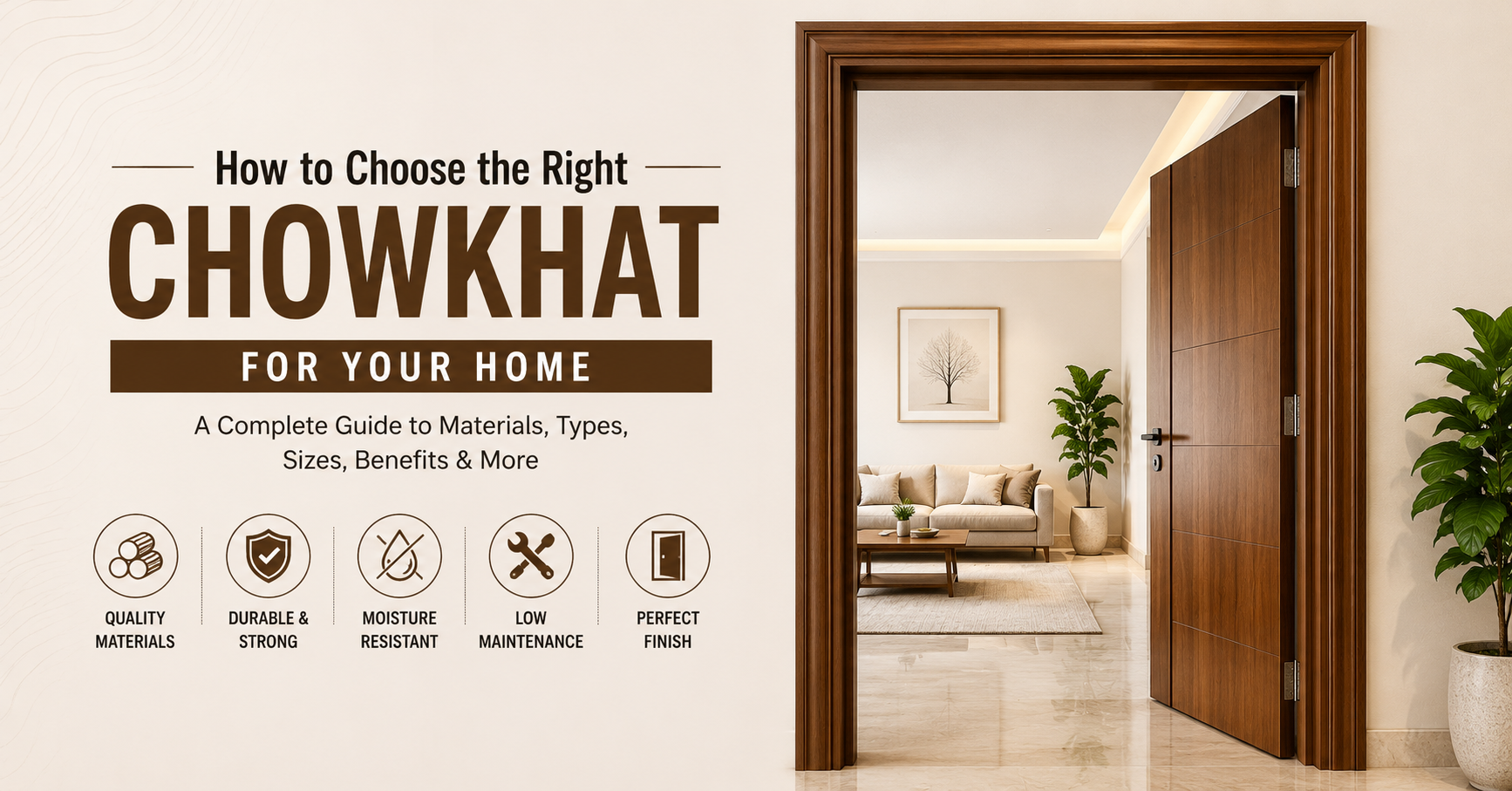
When choosing a door for your home, most people focus on the design, colour and material of the door. However, the chowkhat (door frame) is equally important. It provides the structure around the door and plays an important role in its stability, appearance and overall finish.
A well-selected chowkhat should match the door, fit the wall opening correctly and suit the conditions of the space where it will be installed. With options such as wooden and WPC chowkhats available, choosing the right one can sometimes be confusing.
So, how do you know which chowkhat is right for your home? Let’s look at the important factors you should consider before making a decision.
Table of Contents
- What is a Chowkhat?
- Why Does the Right Chowkhat Matter?
- Types of Chowkhat
- Wooden Chowkhat
- WPC Chowkhat
- Factors to Consider When Choosing a Chowkhat
- Wooden vs WPC Chowkhat
- Which Chowkhat Is Suitable for Different Rooms?
- Common Mistakes to Avoid When Choosing a Chowkhat
- Final Checklist Before Buying a Chowkhat
- Conclusion
- Frequently Asked Questions
What Is a Chowkhat?
A chowkhat is the frame fixed around a door opening. The door is installed within this frame, making it an essential part of the complete door setup.
Apart from providing support, a chowkhat also contributes to the visual appearance of the doorway. Its material, finish and design can influence how the door looks within the overall interior.
Why Does the Right Chowkhat Matter?
A chowkhat door frame and its door work together as part of the complete door installation. Even a well-designed door may not give the desired result if the frame is incorrectly sized or unsuitable for the application.
The right chowkhat can help with:
- Proper door installation
- Better structural support
- A clean and finished appearance
- Compatibility with the door
- Easier maintenance
- Better suitability for the installation environment
This is why the chowkhat should be selected at the same time as the door rather than treated as a separate decision.
Types of Chowkhat You Can Consider
The material, design, size, and application are important factors when choosing a chowkhat for your home. Different types of chowkhats are available for doors, windows, main entrances, and different interior requirements. Understanding the types of chowkhat available can help you select an option that suits your door, window, and interior requirements.
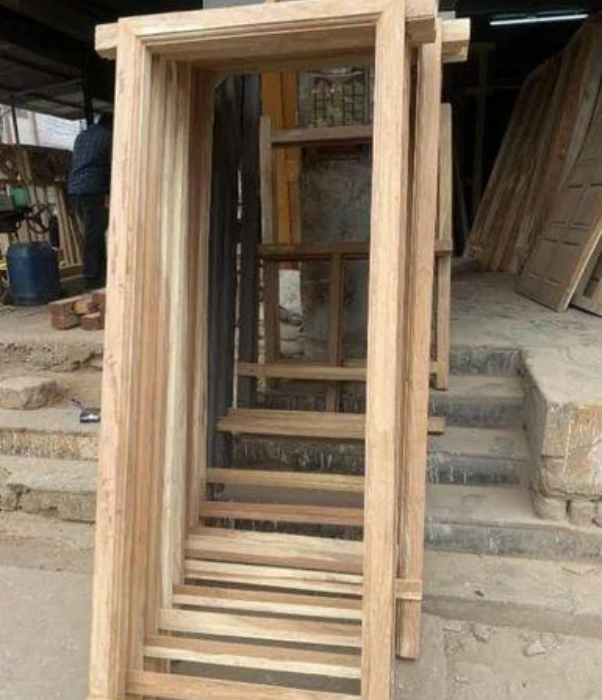
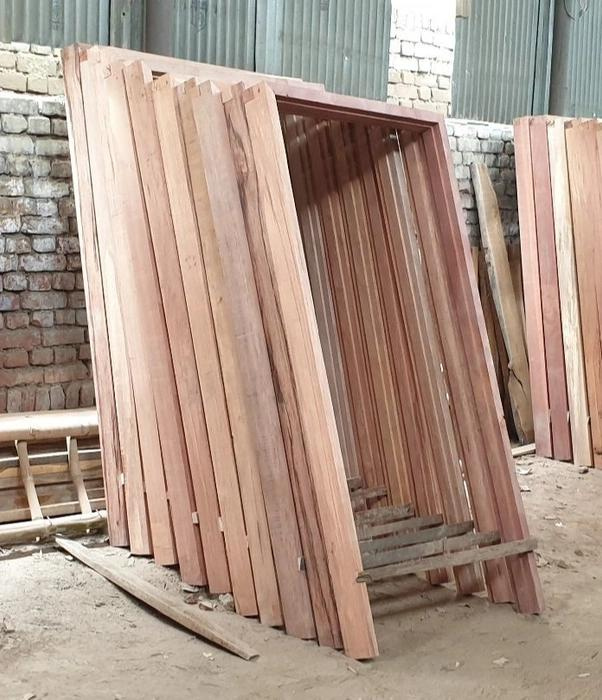
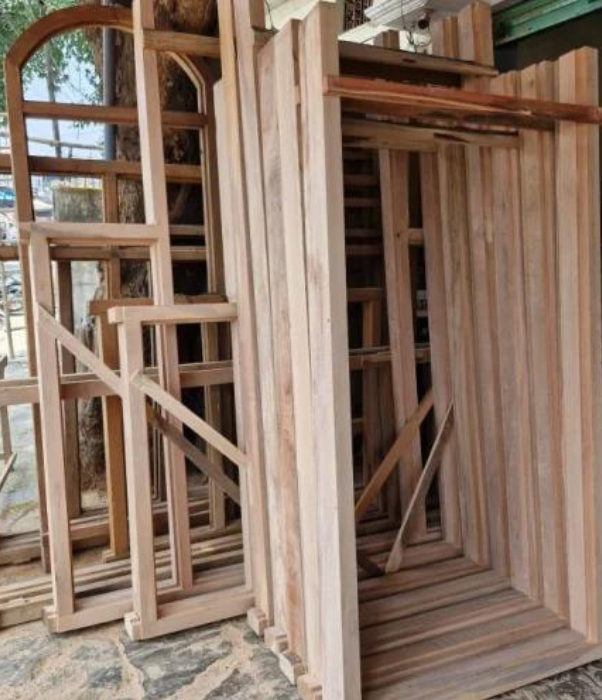
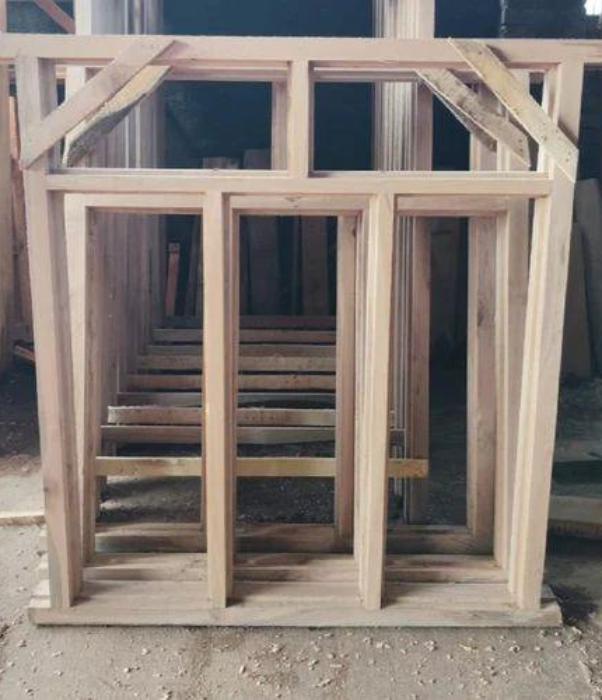
Wooden door chowkhats
A door chowkhat is a basic frame installed around a door opening to provide support for the door. It is available in different materials, sizes, finishes, and designs to suit different residential and commercial applications.
Wooden door chowkhats can be supplied in raw form and may require seasoning, treatment, and polishing or finishing before use, depending on the material and application.
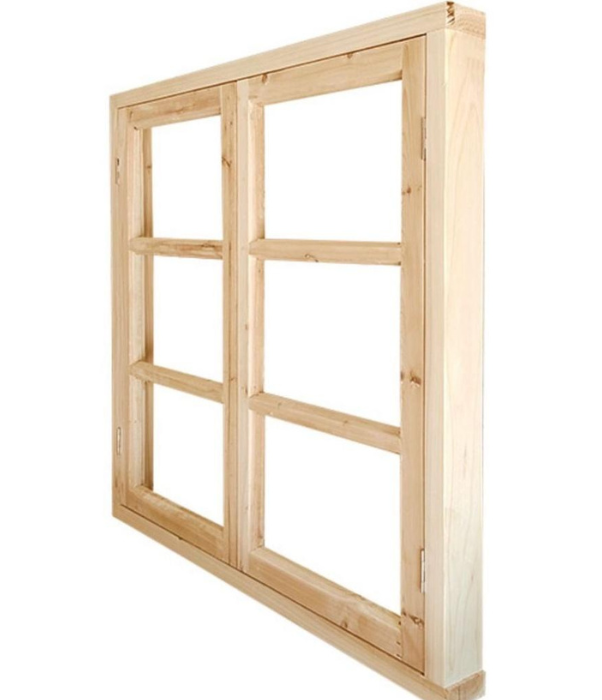
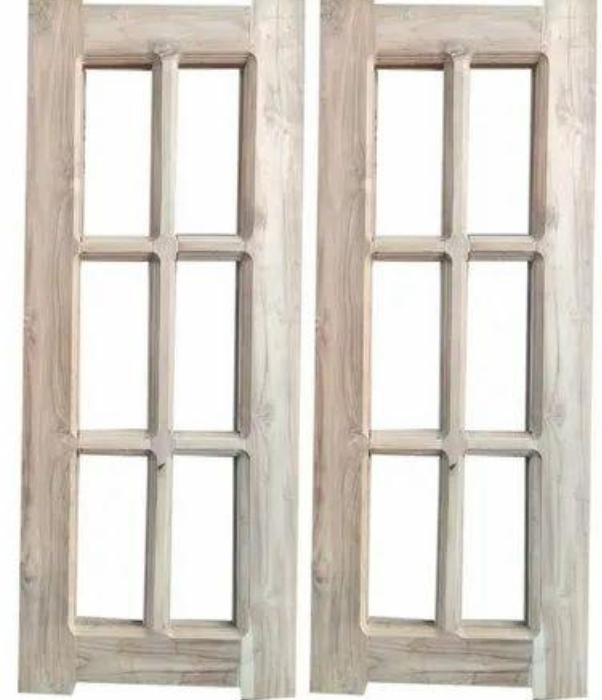
Window Chowkhat
Window chowkhats are frames fixed around window openings. They help support and align the window while providing a neat and finished appearance.
Window chowkhats can be selected according to the window design, opening dimensions, material, and overall style of the property.
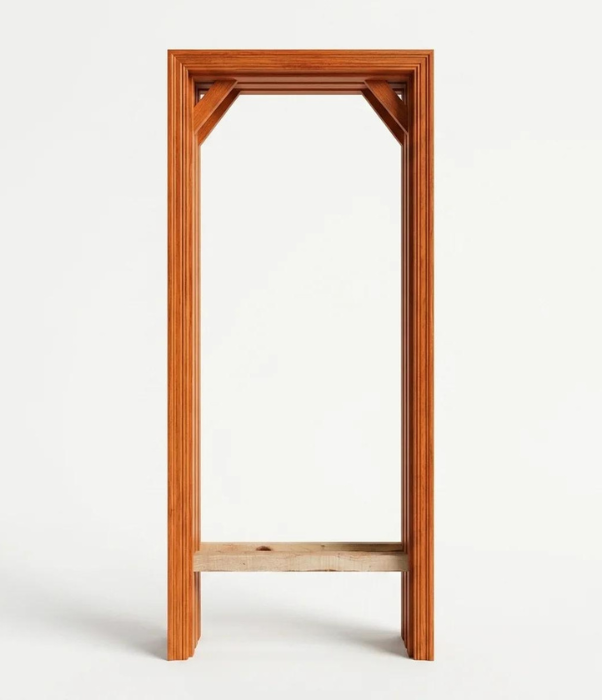
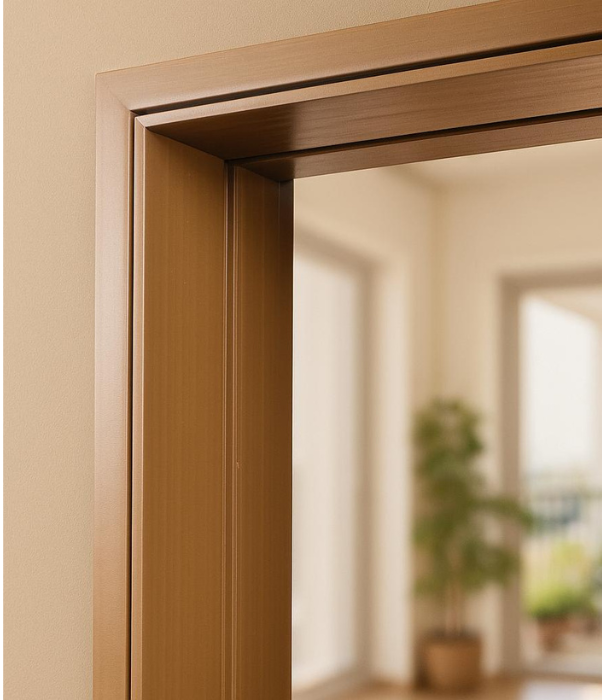
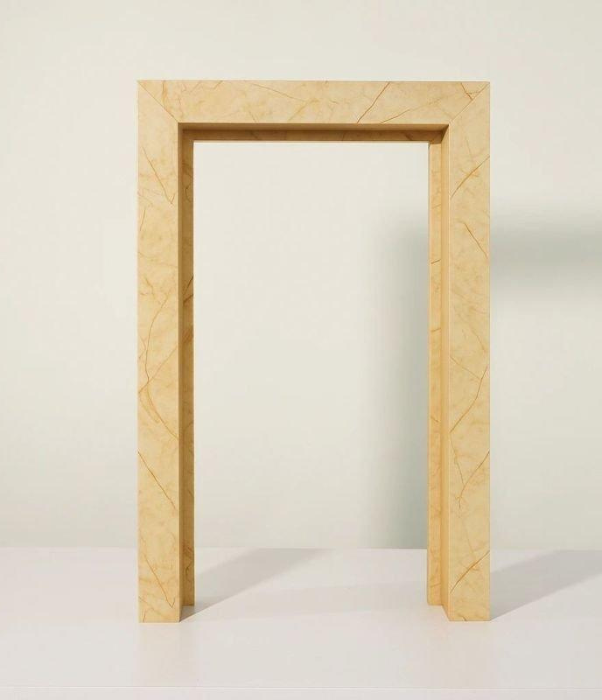
WPC Chowkhat
WPC stands for Wood Plastic Composite. WPC chowkhats are made using a combination of wood-based material and plastic and are commonly considered for interior applications.
They offer a consistent appearance and can be a practical option for areas where easier maintenance and moisture-related considerations are important. WPC chowkhats can be considered for kitchens, bathrooms, and other suitable interior applications, depending on the product specifications.
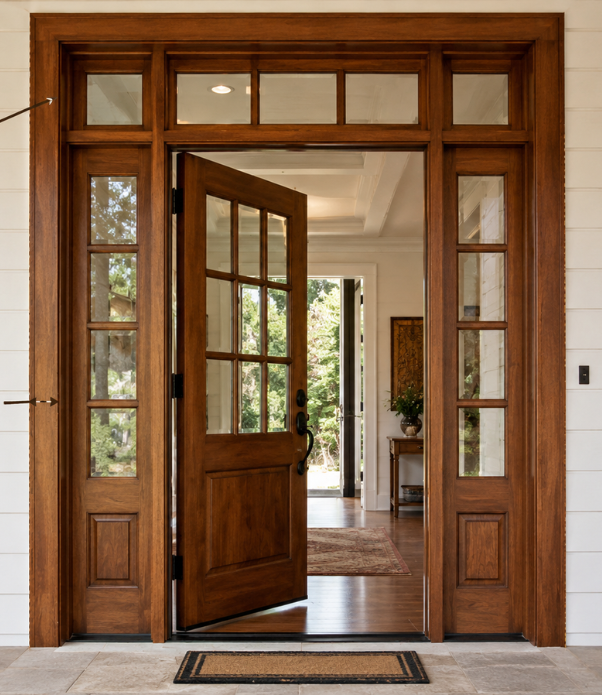
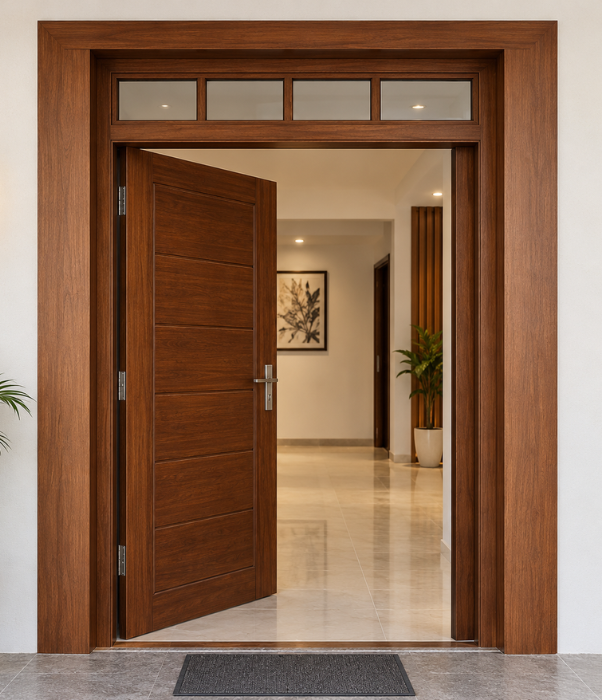
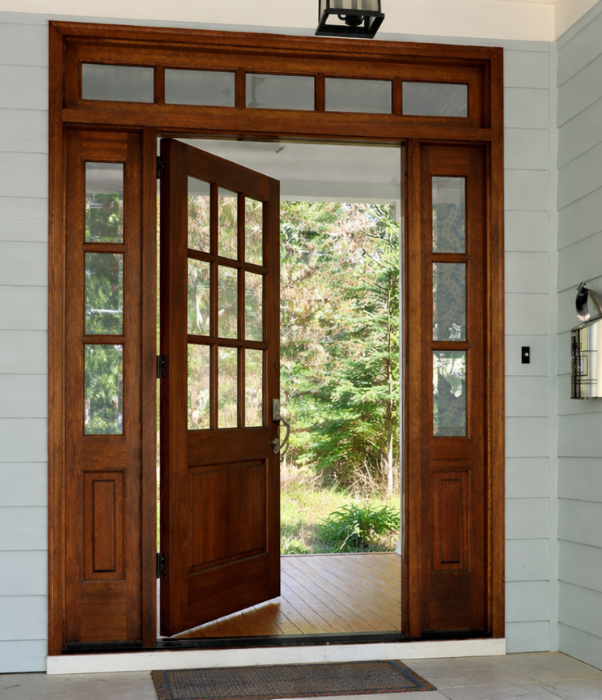
Wall-to-Wall Chowkhat
A wall-to-wall chowkhat covers the full thickness of the wall around the door opening. This type of chowkhat can provide a more complete and finished appearance while helping create a clean transition between the door and the surrounding wall.
Wall-to-wall chowkhats can be considered when a wider frame profile and a more integrated appearance are preferred.
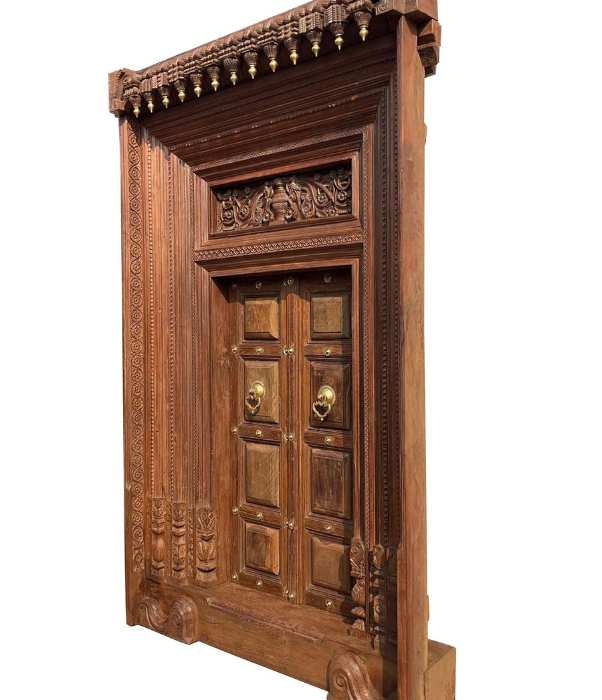
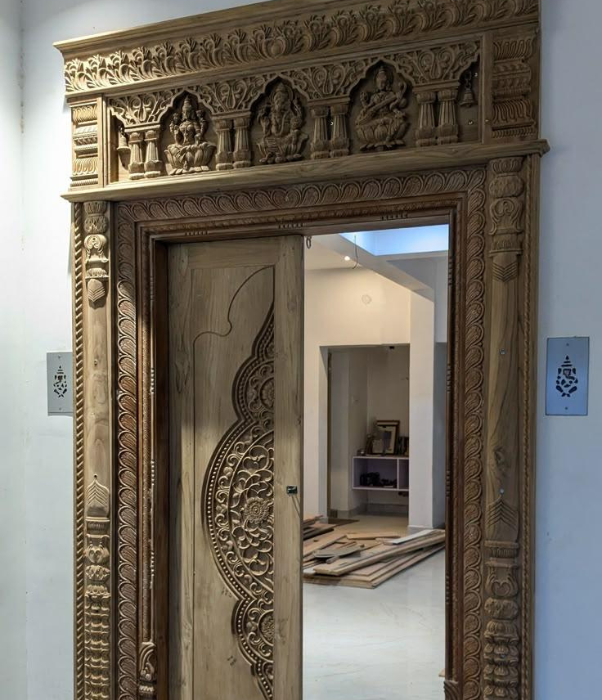
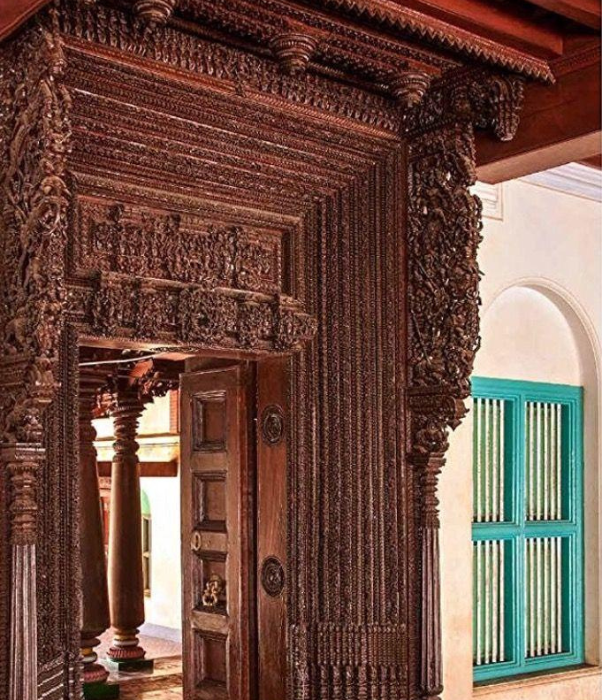
Heavy Carved Chowkhat
Heavy carved chowkhats are traditional solid wood frames featuring detailed carving and decorative workmanship. They are often selected for main entrances and spaces where a traditional or premium appearance is desired.
The carved design can add character to the entrance and complement decorative or traditional door styles.
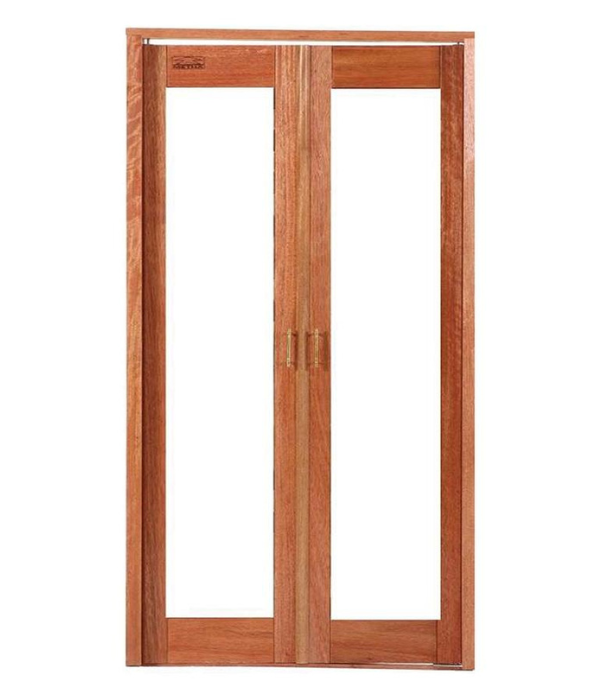
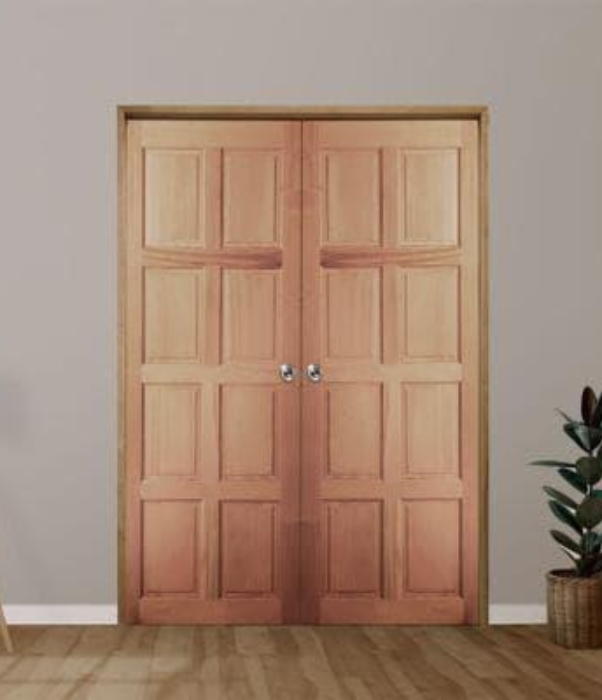
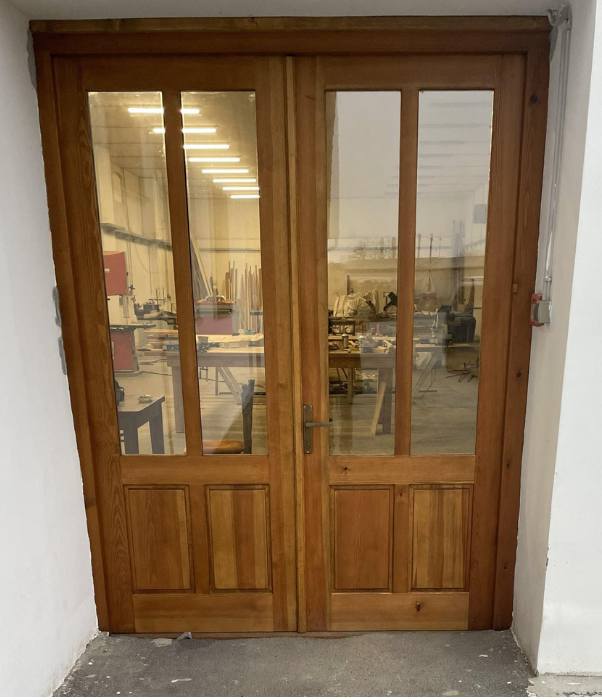
Double Door Chowkhat
Double door chowkhats are wider frames designed to accommodate two door shutters. They are commonly used for main entrances, larger openings, and spaces where a wider entrance is required.
A double door chowkhat can provide a grander appearance while allowing the installation of two door shutters within the same frame.
7 Things to Consider Before Choosing a Chowkhat
1. Door Size and Opening Dimensions
One of the first things you need to check is the size of your door opening.
The frame should be compatible with:
- Door height
- Door width
- Wall thickness
- Opening dimensions
- Required frame dimensions
Incorrect measurements can create installation and alignment problems, so measurements should be taken carefully before ordering the chowkhat.
2. Material of the Chowkhat
Think about where the chowkhat will be used and what type of performance you expect from it.
Wood can be a good option if you prefer a natural appearance, while WPC can be considered if you prefer a modern material with relatively easy maintenance.
There is no single material that is ideal for every application. Your choice should depend on your specific requirements.
3. Location of the Door
The location of the door also matters.
A chowkhat for a bedroom may have different requirements from one installed in a bathroom or another area exposed to moisture.
Before selecting a frame, consider the environmental conditions of the installation area.
4. Door Material and Design
Your chowkhat should complement your door.
For example, consider whether the door is:
- Flush door
- Wooden door
- Veneer door
- Decorative door
The frame’s colour, texture and finish should also work well with the door and surrounding interior.
5. Moisture Exposure
Moisture is an important consideration for certain areas of the home.
Bathrooms, kitchens and other areas can have different moisture conditions compared with bedrooms or living rooms.
If moisture is a concern, compare materials carefully and check the manufacturer’s specifications before selecting a chowkhat.
6. Maintenance Requirements
Nobody wants a door frame that requires unnecessary maintenance.
Before purchasing, understand how the selected material should be cleaned and maintained. Consider the long-term maintenance requirements rather than looking only at the initial appearance.
7. Budget and Quality
Budget is naturally an important factor, but choosing the cheapest option isn’t always the best decision.
Compare the material quality, dimensions, finish, intended application and maintenance requirements before making a final decision.
Wooden vs WPC Chowkhat: Which Should You Choose?
The choice between wooden and WPC chowkhat depends on your requirements.
| Factor | Wooden Chowkhat | WPC Chowkhat |
|---|---|---|
| Material | Wood | Wood Plastic Composite |
| Appearance | Natural wood look | Modern, consistent finish |
| Design | Traditional and versatile | Modern and versatile |
| Maintenance | Depends on wood and finish | Generally easy to maintain |
| Moisture considerations | Depends on wood type and treatment | Generally considered for moisture-related applications |
| Interior style | Traditional to contemporary | Contemporary to modern |
| Best suited for | Applications where natural wood appearance is preferred | Applications where low maintenance is preferred |
Instead of asking which material is universally better, consider which material is better suited to your particular door and location.
Which Chowkhat Is Suitable for Different Rooms?
Main Door
The main entrance is one of the most visible parts of a home. Consider durability, appearance, door compatibility and the overall architectural style.
Bedroom
For bedroom doors, design, finish and maintenance can be important considerations.
Bathroom
For bathrooms, pay particular attention to moisture-related requirements and the product’s recommended application.
Kitchen
Kitchen areas may experience moisture and frequent cleaning, so material selection and maintenance requirements should be considered.
Common Mistakes to Avoid When Choosing a Chowkhat
Avoid these common mistakes when selecting a door frame:
- Not measuring the opening correctly
- Ignoring wall thickness
- Choosing a frame only based on price
- Not considering the door type
- Ignoring the installation location
- Not checking material specifications
- Choosing a frame that does not complement the door
- Not considering long-term maintenance
Final Checklist Before Buying a Chowkhat
Before placing your order, make sure you have checked:
- Door size
- Wall thickness
- Opening dimensions
- Chowkhat material
- Door compatibility
- Installation location
- Moisture conditions
- Design and finish
- Maintenance requirements
- Budget
Conclusion
Choosing the right chowkhat is an important part of creating a well-finished doorway. The best choice depends on more than just appearance. Material, measurements, door type, location, moisture conditions, maintenance and budget should all be considered before making your decision.
Whether you are renovating your home or working on a new interior project, taking the time to select the right chowkhat can help you achieve a better-fitting and visually coordinated door installation.
Gupta Timber Company offers a range of interior and building materials, including door-related solutions for residential and commercial projects. Choose the chowkhat according to your project’s requirements and always verify the product specifications before installation.
Frequently Asked Questions
1. What is the purpose of a chowkhat?
A chowkhat provides the frame around a door opening and supports the door installation while contributing to the finished appearance of the doorway.
2. Which is better, wooden or WPC chowkhat?
Both materials can be suitable for different applications. Wooden chowkhats are often chosen for their natural appearance, while WPC chowkhats can be considered when a modern, relatively low-maintenance option is preferred.
3. How do I choose the right size chowkhat?
The size should be selected according to the door opening, door dimensions and wall thickness. Accurate measurements should be taken before ordering.
4. Can WPC chowkhat be used in bathrooms?
WPC chowkhats may be suitable for certain moisture-prone applications, but you should check the specifications and recommended use of the particular product.
5. What should I consider when buying a chowkhat?
Yes. Solid core and veneer flush doors are widely used in offices, hotels, showrooms, and commercial projects because of their durability, strength, and premium appearance.